
Home Growers
Grow fruit trees, herbs, vegetables and other edible plants in balconies, terraces, backyards and home gardens — whether you are just starting or already growing.
Share your interest →Aharavanam partners with institutions and landowners to develop and manage food forests, while creating meaningful nature experiences for individuals, families, communities and organisations.
Grow Food. Grow Forests. Grow Together.
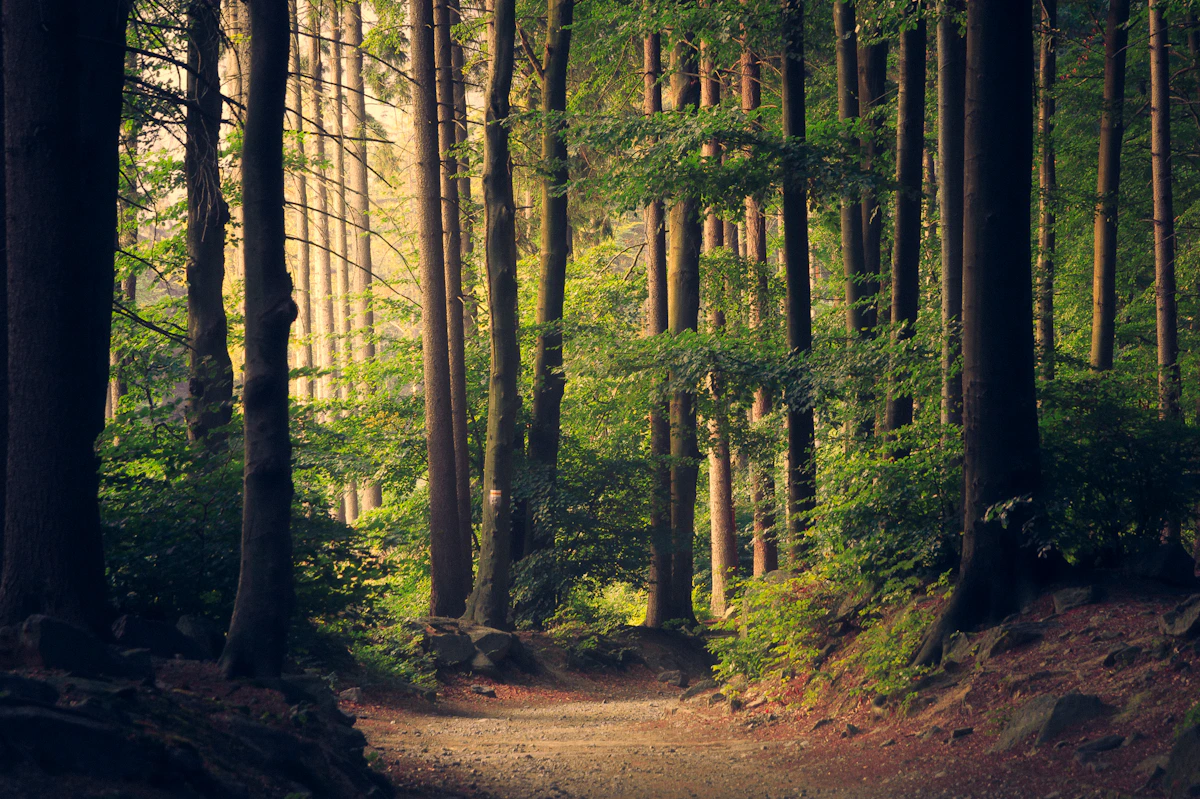
From one fruit tree on a balcony to a shared neighbourhood garden, home and community growers are an important part of Aharavanam. You do not need a large plot of land or prior experience to be part of a growing community.
Grow fruit trees, herbs, vegetables and other edible plants in balconies, terraces, backyards and home gardens — whether you are just starting or already growing.
Share your interest →
Bring neighbours, resident welfare groups, schools and local communities together to create and care for shared growing spaces.
Get involved →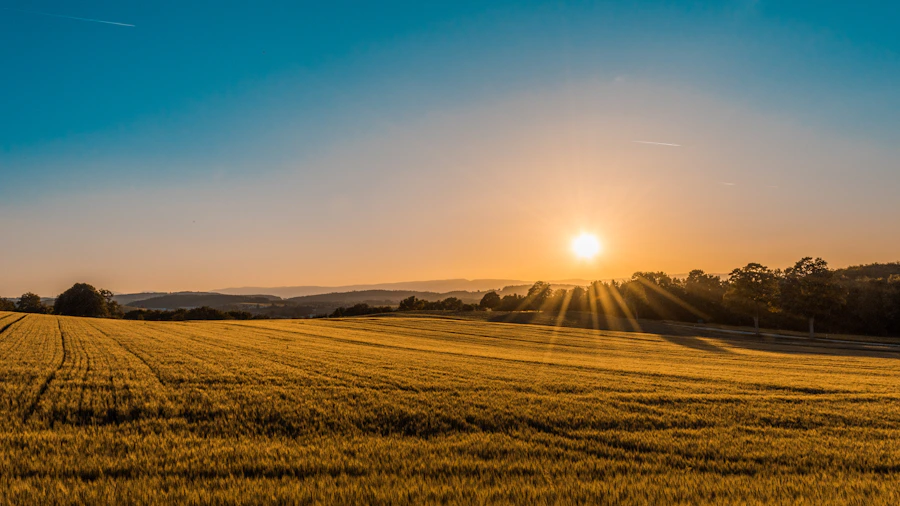
Share practical knowledge, help with planting and care activities, and contribute skills to local growing and food-forest initiatives.
Join the community →Aharavanam hopes to create opportunities for growers to learn from one another, exchange ideas and take part in suitable local activities as the network develops. Participation is voluntary; no membership or purchase commitment is required to register your interest.
We work with institutions, organisations and landowners to turn suitable open spaces into diverse, productive food forests — and help manage them over time.
Colleges, universities, companies, hospitals, residential communities and public institutions can partner with us to develop food forests on suitable land.
Discuss a land partnership →Aharavanam can assess, plan, establish and coordinate the ongoing care of a food forest with suitable local growers and specialists.
Explore a project →
For selected institutional development partnerships, the proposed model is to share the agreed usable harvest equally between the institution and Aharavanam.
Ask about the 50:50 model →Each project is planned around the land, water availability, local climate, intended use and the institution's priorities.
We discuss the land, ownership or control, soil, sunlight, water, access, security and the institution's goals.
We prepare a suitable concept, planting and management approach, responsibilities, investment plan and written agreement.
Planting, soil improvement, water planning and essential infrastructure are coordinated with suitable local expertise.
Regular maintenance, replacement planting where agreed, crop care and progress records support long-term development.
Harvests are weighed or measured, recorded and allocated according to the written produce-sharing arrangement.
Where the site is suitable and authorised, the partners may consider learning visits, volunteering or nature programmes.
In selected institutional food-forest partnerships, the agreed usable harvest may be divided equally: 50% for the institution and 50% for Aharavanam. For example, 100 kg of recorded usable produce would be allocated as 50 kg to each partner.
Colleges and universities • Hospitals and healthcare campuses • Companies and corporate campuses • Government and public institutions • Residential communities • Landowners with suitable open land.
Every project is subject to site suitability, land permissions, a written agreement, agreed investment and operating responsibilities, and actual seasonal harvests. Food-forest establishment takes time; produce quantities and financial returns are not guaranteed.
Weather, water, changing land use and pressures on agriculture are reshaping the conditions in which food is grown and reaches our tables. Understanding these changes is the first step towards building more resilient communities.
Heat, irregular rainfall, dry spells and extreme weather can affect planting cycles, crop health and harvests.

As towns and cities expand, agricultural land can be converted, fragmented or placed under greater pressure.

Groundwater stress, rainfall variability and competing demands make careful water planning essential for growing food.
Changing livelihoods, an ageing farm workforce and fewer people entering farming can affect agricultural skills and continuity.

Healthy soils, pollinators and ecological diversity matter. Their decline can make food-growing systems less resilient.
Transport interruptions, seasonal shortages and price changes can affect access to nutritious food, even when national production is substantial.
Read our articles on food resilience, changing weather, water, land, food forests and community growing. New articles will be added to the Blog as they are published.
Visit the Blog →A thoughtfully planned food forest can bring fruit trees, edible plants and biodiversity together. With suitable land, locally appropriate species, soil care and responsible water management, it can contribute to household and community food resilience over time.
It takes time, care, suitable water planning and ongoing maintenance to mature. It will not replace the food supply chain or guarantee yields or financial returns. Our aim is to help people make informed choices and find practical ways to participate.
Explore food-forest participation →Thoughtfully designed outdoor experiences for employees and their families. Activities can offer a refreshing change from screens and routine, encourage gentle movement and create opportunities to connect with colleagues and nature.
Enquire about a corporate programme →Tell us your objectives, approximate group size, preferred dates and location. Aharavanam will explore a suitable destination and propose an activity plan and quotation. Once approved, we coordinate the programme and gather feedback.
Programmes are arranged by prior enquiry and confirmation. Site availability, safety, accessibility, weather and facilities are checked before a programme is offered. Participation should be voluntary and suitable for the group.
Food forests can be places to slow down, learn how food grows and spend meaningful time outdoors. Aharavanam aims to connect individuals, families and groups with suitable destinations and activities.
Explore fruit trees, edible plants, biodiversity and the different layers of a food forest through a guided visit.
Learn by doing: planting, soil care, water-wise growing and practical ways to nurture edible plants at home.

Enjoy seasonal outdoor activities, nature discovery and shared time for families, neighbourhoods and community groups.
Age-appropriate introductions to food forests, plants, soil, biodiversity and growing food, subject to suitable supervision and site arrangements.
Practical sessions and peer learning can help home growers exchange ideas and build confidence in growing edible plants.
Customised visits for families, resident groups and organisations, shaped around the destination and participants.
Interested in a visit or activity? Share your group size, age range, preferred dates and location through the enquiry form. We will respond to explore what may be possible.
Enquire about an experience →All experiences are subject to prior confirmation, destination readiness, permissions, availability, safety arrangements, weather and accessibility. This is an enquiry page, not a live booking calendar.
Aharavanam is building a connected network of growers, food forests and nature destinations. Each location or initiative will be included only when its role, readiness and arrangements are clear.
Our own food-forest destination can become a place to demonstrate the model, welcome visitors and host learning experiences when it is established and ready.
Existing food forests and suitable nature locations may partner with Aharavanam. We can coordinate enquiries, visits and agreed programmes at these sites.
Institutional and landowner projects can become part of the network as they develop, with visitor activities considered only after permissions, facilities and safety are checked.
We will consider access, safe paths, water, sanitation, shade, group capacity, transport, first aid, accessibility and the responsibilities of each partner before arranging visits or activities.
Explore partnership models →We are interested in speaking with institutions, landowners and managers of suitable food-growing spaces. Depending on the site and objectives, there are different ways to work together.
For: Owners or managers of an existing food forest or suitable visitor-ready nature space.
You make the agreed space available on specified days or hours. Aharavanam can promote the experience, handle enquiries and bookings, coordinate visitors and facilitators, and manage the agreed programme.
Payment approach: A fixed amount per visit, day, month or another agreed period may be paid to the location partner. Programme income and operating costs are handled as set out in a written agreement.
Access, facilities, visitor limits, staffing, maintenance, cancellations and responsibilities are agreed in advance.
Discuss a location partnership →For: Colleges, universities, companies, hospitals, residential communities, public institutions and landowners with suitable open land.
Aharavanam can work with the partner to assess the site, plan the food forest, coordinate establishment and arrange ongoing care under agreed responsibilities.
Produce-sharing approach: In a selected project, the actual recorded usable harvest may be shared 50:50 between the institution and Aharavanam. For example, 100 kg of usable harvest means 50 kg allocated to each partner.
The institution may use its share as agreed. Aharavanam may sell or distribute its share subject to applicable requirements. Harvest quantities vary by season; no yield or income is guaranteed.
Discuss a development partnership →We first understand who controls the land, its permitted use, water and soil conditions, access, investment needs and the partner's goals. Costs, produce or venue payments, maintenance, visitor access, risk and responsibilities are documented in a written agreement before work begins. The models above are starting points for discussion, not automatic or guaranteed terms.
Have a site or partnership idea? Tell us a little about it and we can explore whether there is a suitable way forward.
Register a partnership enquiry →Are you a home grower, community group, institution with suitable land, landowner with a food forest, or organisation exploring a nature programme?
Tell us what you have in mind. Whether you grow at home, represent a community, manage land or are exploring a nature programme, we will review your enquiry and respond about a suitable next step.
Develop. Experience. Connect. Share.
Choose the option closest to your interest. This form is an expression of interest, not a membership, booking or partnership commitment.